What Does TMB Mean in Text? The Short Answer
TMB in text means “text me back.” It is a quick nudge. Someone wants a reply and does not want to wait. “TMB when you’re free” means “send me a message when you can.”
That is the main meaning. It is simple, direct, and everywhere in casual texting.
You probably saw TMB at the end of a message and wondered if you missed something. You did not. This guide explains what TMB means in text, when people use it, and how to reply like a pro. It also covers the rare aggressive meaning, so you never misread the room.
TMB Definition and Meaning
TMB stands for “text me back.” It is a request for a reply. The sender wants you to respond by text, not by call. The “T” matters. They chose texting over calling on purpose.
Real-life examples:
- “Call me later, or just TMB.” (Reply by text instead.)
- “TMB when you land.” (Text me after your flight.)
- “Can’t talk now. TMB tonight?” (Text me later tonight.)
- “Send the pics and TMB.” (Two requests in one.)
TMB usually sits at the end of a message. It is the closing ask. The main info comes first, then TMB wraps it up.
It also works as a standalone nudge. If someone left you on read, a lonely “tmb?” can restart the chat. It is less pushy than “why aren’t you replying??” but gets the point across.
There is one rare alternate meaning. TMB can mean “try me, b*tch” in confrontational slang. This is uncommon and always aggressive in tone. You will know it by the attitude around it. In 99 percent of cases, TMB means “text me back.”
Background and History of TMB
TMB grew out of early texting culture. In the 2000s, calling cost more than texting in many places. People preferred texts. “Text me back” became a common phrase, then got shortened to TMB to save characters and time.
Missed calls played a role too. Before smartphones, people gave “missed call” signals. One ring meant “call me back.” TMB was the text version of that signal. Same idea, new medium.
The rise of unlimited texting plans in the 2010s made TMB even more popular. Texting became the default. Calling felt formal. TMB captured the new normal: just text me.
Social media DMs adopted it next. Instagram, Snapchat, and WhatsApp chats all use TMB. It works anywhere people message each other. The meaning never changed.
Today TMB is a texting staple. Parents use it. Teens use it. Bosses probably should not, but some do. It is one of those abbreviations that crossed every age group.
How TMB Is Used in Different Contexts
TMB is flexible. Here is how it shows up across contexts.
Texting friends: The classic use. Casual and friendly.
- A: “At the store. Need anything?”
B: “Milk and eggs. TMB when you’re home.” - A: “Can’t talk, in class.”
B: “No worries, TMB after.”
Family chats: Parents love TMB. It is their way of saying “keep me updated.”
- Mom: “Let me know you arrived safe. TMB.”
- Dad: “Call the doctor. TMB with what they say.”
Dating and flirting: TMB keeps the conversation alive. It signals interest without pressure.
- “Had fun tonight. TMB tomorrow?”
- “Thinking of you. TMB when you wake up.”
Work chats (casual ones): Quick coordination between coworkers.
- “In a meeting till 3. TMB after.”
- “Send the file and TMB.”
Gaming: Teammates use TMB to coordinate outside the game. “TMB the lobby code.”
As a nudge: When someone goes quiet, TMB restarts things.
- “Hey, tmb?” (Gentle poke.)
- “Still there? TMB.”
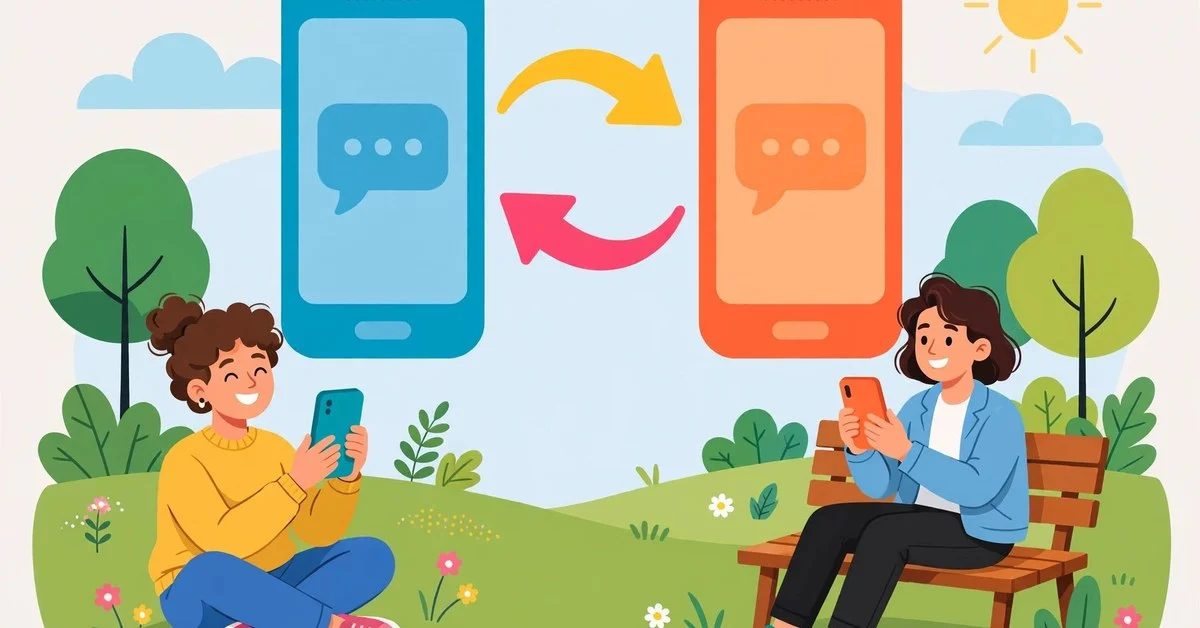
The pattern: TMB always means “I want a text reply.” The urgency changes, but the ask stays the same.
Common Misconceptions About TMB
TMB is simple, but people still mix it up.
Misconception 1: TMB means “call me back.” No. The T stands for text. TMB specifically asks for a text reply. “Call me back” would be CMB. Different letter, different ask.
Misconception 2: TMB is rude. It is direct, not rude. Tone comes from the rest of the message. “TMB when you can” is polite. “TMB NOW” in all caps is pushy. Caps do the damage, not the letters.
Misconception 3: TMB means “try me, b*tch.” This exists but is rare. You will only see it in heated arguments or rap lyrics. In normal chats, it always means “text me back.”
Misconception 4: TMB and “hit me up” are the same. Close but different. “Hit me up” is vague. It could mean call, text, or meet up. TMB is specific. Text only.
Misconception 5: You must reply instantly to TMB. No. TMB asks for a reply, not an instant one. “TMB when you’re free” literally gives you permission to wait.
Similar Terms and Alternatives
TMB has cousins in the reply-request family:
- CMB (“call me back”): the phone call version. More urgent feel.
- HMU (“hit me up”): vaguer. Could mean text, call, or hang out.
- Lmk (“let me know”): asks for info, not just a reply.
- DM me: asks for a direct message, usually on social apps.
- Ping me: tech-flavored nudge. Same idea as TMB.
- Get back to me: the formal full version. For emails and work.
| Term | Meaning | Channel | Tone |
|---|---|---|---|
| TMB | Text me back | Text | Casual |
| CMB | Call me back | Phone call | Urgent |
| HMU | Hit me up | Any | Casual |
| Lmk | Let me know | Any | Neutral |
| Ping me | Message me | Any | Techy |
Pick TMB when you specifically want a text. Pick HMU when any contact works.
One more abbreviation from the same texting world: what TMI means in text.
How to Respond When Someone Texts You TMB
Someone said TMB. They want a text back. Here is how to play it.
Normal reply: Just text back. That is literally the whole job. Answer their question or react to their message.
Busy reply: “Got it, will TMB later!” Acknowledge now, reply properly later. This buys you time without ghosting.
Funny reply: “TMB? I AM texting you back. This is it. This is the text.” Meta humor works on friends.
Flirty reply: “Always happy to TMB you.” or “Was waiting for an excuse to text you.” Smooth.
Professional reply: If a coworker says TMB, reply with the info they need. “Sending the report now.” Keep it clean and useful.
When you do not want to reply: Be honest but kind. “Hey, swamped today. Will catch up tomorrow.” Silence is worse than a delayed honest reply.
Real examples:
- Them: “TMB when you land.” You: “Landed! On my way.”
- Them: “Can’t talk now, TMB tonight?” You: “Sure, talk then.”
- Them: “tmb?” You: “Sorry! Got caught up. What’s up?”
The golden rule: TMB is a gift of clarity. They told you exactly what they want. Honor it.
Regional and Cultural Differences
TMB is global, but habits vary.
In the US: TMB is everyday slang. All ages use it. “TMB” beats “call me” in casual culture.
In the UK: Brits say “text me” more often than TMB, but the abbreviation is understood. “Give us a text” is the local flavor.
In Australia: “Shoot me a text” is common. TMB appears in writing more than speech.
In South Asia: TMB fits perfectly into Roman Urdu and Roman Hindi texting. “Ghar pohanch ke TMB karna” is natural. Texting culture here is huge, and abbreviations thrive.
In the Middle East: WhatsApp dominates, so TMB often means “WhatsApp me back” in practice. The letters stay the same. The app changes.
Generational note: Older texters sometimes write “text me back” in full. Younger ones default to TMB. Both get the job done.
Cultural tip: In some cultures, not replying is normal and not rude. TMB still works, but expect slower replies. Adjust your expectations, not your manners.
TMB vs Similar Terms: Key Differences
- TMB vs CMB: TMB wants a text. CMB wants a call. TMB is low pressure. CMB feels more urgent.
- TMB vs HMU: HMU is open-ended. TMB is specific. “HMU later” could mean anything. “TMB later” means text.
- TMB vs Lmk: Lmk asks for information. TMB asks for contact. “Lmk the time” needs an answer. “TMB” just needs a reply.
- TMB vs DM me: DM me points to a specific app’s inbox. TMB points to regular texting. Same energy, different channel.
| Aspect | TMB | CMB | HMU |
|---|---|---|---|
| Full form | Text me back | Call me back | Hit me up |
| Channel | Text only | Voice call | Any |
| Urgency | Low to medium | Medium to high | Low |
| Formality | Casual | Casual | Casual |
TMB in Online Communities and Dating Apps
Reddit: Relationship advice threads mention TMB constantly. “He said TMB and never did” is a classic complaint. The abbreviation became a symbol of follow-through. Saying TMB creates a small promise.
Discord: Gamers use TMB to move chats off voice and into text. “TMB the strat” means send the plan as a message.
Instagram: “TMB” in DMs keeps convos going. Story replies often end with it. It is the DM version of “don’t let this die.”
Snapchat: Streak culture loves TMB. “TMB to keep the streak” is a daily ritual for millions of teens.
Dating apps: TMB is gold here. Moving from app chat to real texting is a big step. “TMB, here’s my number” signals real interest. It means the chat is going well enough to leave the app.
The dating rule: if someone gives you their number and says TMB, actually do it. Ghosting after a number exchange is the fastest way to kill a good vibe.
Hidden or Confrontational Meanings of TMB
The main meaning is harmless. But let us cover the edge case.
“Try me, b*tch” is the aggressive alternate. It shows up in arguments, diss tracks, and heated gaming chats. The tone is always confrontational. Example: “You got a problem? TMB.” Nobody confuses this with “text me back” because the attitude is obvious.
How to tell them apart: look at the mood. Friendly chat plus TMB equals “text me back.” Angry argument plus TMB equals the other thing. Context never lies.
When TMB feels pushy: repeated “tmb??” messages can feel demanding. One nudge is fine. Five in a row is pressure. If someone spams TMB at you, it is okay to set a boundary. “I’ll reply when I can.”
Passive-aggressive TMB: “Oh, so you’re not going to TMB? Cool.” This weaponizes the abbreviation. The letters are innocent. The guilt trip is not.
Bottom line: TMB itself is neutral and friendly. People can load any word with attitude. Watch the tone, not just the letters.
Is TMB Okay for Professional Communication?
Mostly no. Write it out at work. “Please text me back” or “let me know” sounds professional. TMB sounds like you are texting a friend. In casual startups with Slack culture, it might slide. In formal settings, skip it.
Professional alternatives:
- Instead of “TMB”: “Please reply at your convenience.”
- Instead of “TMB asap”: “Please respond when you get a chance.”
- Instead of “tmb?”: “Following up on my last message.”
The exception: if your boss texts you “TMB,” just text back. Match their style. They set the tone.
TMB Etiquette: The Unwritten Rules
TMB is simple, but texting manners around it are real. Here are the unwritten rules.
Rule 1: Do not TMB someone who just texted you. If the conversation is active, TMB is redundant. You are already texting. Save it for when the chat goes quiet or when you are ending a call.
Rule 2: One nudge is enough. Sending “tmb?” once is a gentle poke. Sending it five times is harassment. If they did not reply to the first nudge, they are busy, asleep, or avoiding you. More messages will not fix any of those.
Rule 3: Give a reason when you can. “TMB” alone works, but “TMB, need your opinion on something” works better. People reply faster when they know why. Mystery slows replies. Clarity speeds them up.
Rule 4: Respect the “when.” If you say “TMB when you’re free,” mean it. Do not follow up ten minutes later asking why they have not replied. You gave them permission to wait. Honor your own words.
Rule 5: Match the relationship. TMB with close friends is casual. TMB with a new date carries weight. TMB with your boss should probably be a full sentence. Read the relationship before you abbreviate.
Rule 6: Do not use TMB to guilt trip. “Wow, can’t even TMB? Nice.” This turns a friendly abbreviation into a weapon. If you are upset about slow replies, say that directly. Passive aggression over text never lands well.
Rule 7: Reply to TMB like you mean it. When someone asks you to text back, do it. Even a quick “busy, later!” beats silence. The whole point of TMB is keeping the loop closed. An unanswered TMB is a tiny broken promise.
These rules are not laws. Nobody will arrest you for double-nudging. But following them makes you the kind of texter people actually enjoy hearing from.
FAQs About TMB in Text
What does TMB mean in texting?
TMB means “text me back.” It is a request for a text reply. Someone wants you to respond by message rather than by call.
What does TMB mean from a girl?
Same thing: “text me back.” In dating contexts, it usually signals interest. She wants to keep talking to you. Take it as a good sign.
What does TMB mean from a guy?
Also “text me back.” No gender changes the meaning. In dating, it shows he wants to continue the conversation.
Is TMB rude?
No. It is direct but not rude. Tone comes from the surrounding words and punctuation. “TMB when free” is polite. All caps and no please can feel pushy.
What is the difference between TMB and CMB?
TMB asks for a text reply. CMB asks for a phone call back. TMB is casual and low pressure. CMB feels more urgent.
Can I use TMB at work?
Better to write it out. “Please text me back” or “let me know” fits professional settings. Save TMB for casual chats.
What does TMB mean on Snapchat?
Same as everywhere: “text me back.” On Snapchat it often relates to keeping streaks alive or continuing a chat.
Conclusion
TMB means “text me back.” Three letters, one clear ask. Someone wants a reply by text, and they told you straight up. No guessing games, no mixed signals. In a world of vague messages and unread receipts, that kind of clarity is worth appreciating.
Use it with friends, family, and dates. Write it out at work. Reply when someone sends it your way, even if it is just to say you are busy. A fast, honest reply beats a perfect late one every single time. If you want to decode another common abbreviation next, here is what do TMI mean in text.
Texting runs on small courtesies. TMB is one of them. Now you know exactly what to do when it lands in your inbox. Three little letters that keep conversations alive, friendships warm, and nobody left wondering. Use them well.
Meta description: What does TMB mean in text? TMB stands for “text me back.” Learn when to use it, how to reply, and what it means in dating.

I’m Chloe Mitchell, a passionate writer at Grammerhubs.com specializing in English grammar, word meanings, slang terms, and modern language trends. I create clear, engaging, and easy-to-understand content that helps readers master everyday English with confidence.










